




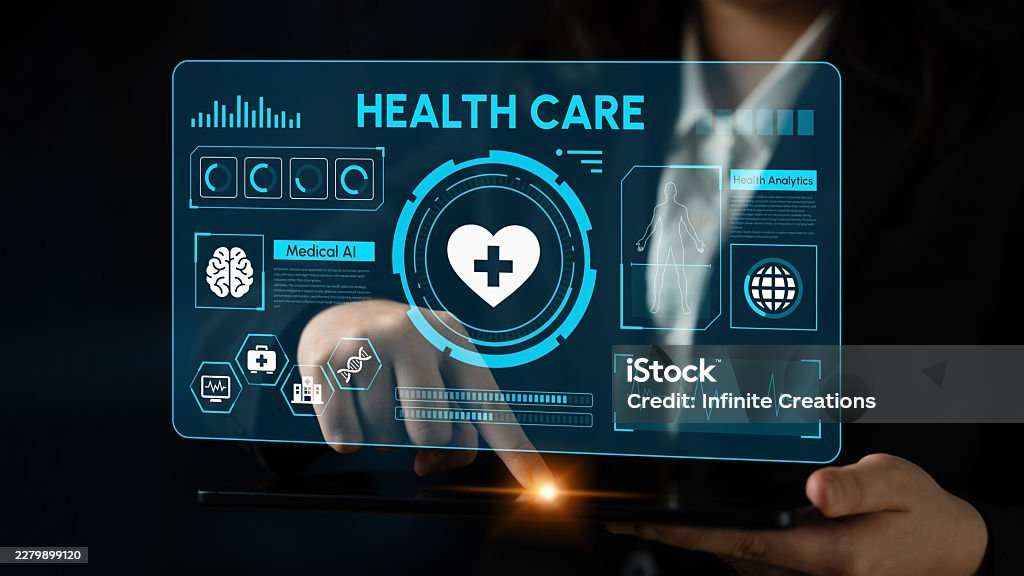

The healthcare industry is rapidly evolving, and technology has become a driving force behind improved patient care, operational efficiency, and financial performance. From electronic health records and telemedicine to artificial intelligence and cloud computing, Healthcare IT Solutions are transforming how healthcare providers deliver services and manage their organizations.
Healthcare IT solutions help hospitals, clinics, physician practices, laboratories, and healthcare systems streamline workflows, protect patient data, enhance communication, and improve clinical decision-making. As the demand for digital healthcare continues to grow, investing in modern IT solutions has become essential for organizations seeking to remain competitive and provide high-quality patient care.
In this comprehensive guide, we’ll explore what healthcare IT solutions are, their benefits, major components, implementation strategies, and future trends shaping the healthcare industry.
What Are Healthcare IT Solutions?
Healthcare IT Solutions refer to the software, hardware, cloud technologies, and digital services used to improve healthcare operations, patient care, communication, and data management.
These solutions support healthcare providers in managing clinical, administrative, and financial processes more efficiently.
Common Healthcare IT solutions include:
- Electronic Health Records (EHR)
- Electronic Medical Records (EMR)
- Practice Management Systems
- Hospital Information Systems (HIS)
- Telemedicine Platforms
- Medical Billing Software
- Revenue Cycle Management (RCM) Systems
- Laboratory Information Systems (LIS)
- Radiology Information Systems (RIS)
- Patient Portals
- Healthcare Cybersecurity Solutions
- Cloud Computing
- Artificial Intelligence (AI)
- Data Analytics Platforms
Together, these technologies create a connected healthcare ecosystem that enhances both patient outcomes and organizational performance.
Why Healthcare IT Solutions Are Important
Modern healthcare organizations manage vast amounts of patient information, insurance data, financial records, and clinical documentation.
Healthcare IT solutions help providers:
- Improve patient care
- Increase operational efficiency
- Reduce medical errors
- Strengthen data security
- Enhance communication
- Improve regulatory compliance
- Optimize revenue cycle management
- Support informed clinical decisions
Without reliable IT infrastructure, healthcare organizations may struggle with inefficiencies, security risks, and delayed patient services.
Key Components of Healthcare IT Solutions
Healthcare technology consists of multiple integrated systems working together.
Electronic Health Records (EHR)
Electronic Health Records replace traditional paper records by providing digital access to patient information.
EHR systems store:
- Medical history
- Diagnoses
- Medications
- Allergies
- Laboratory results
- Imaging reports
- Treatment plans
- Immunization records
Benefits include improved accessibility, better coordination between providers, and enhanced patient safety.
Practice Management Systems
Practice management software helps healthcare facilities manage daily administrative operations.
Features include:
- Appointment scheduling
- Patient registration
- Insurance verification
- Billing
- Payment tracking
- Reporting
Automation reduces administrative workload and improves efficiency.
Telemedicine Solutions
Telemedicine enables healthcare providers to consult with patients remotely through secure video and messaging platforms.
Benefits include:
- Improved access to care
- Reduced travel time
- Faster consultations
- Better chronic disease management
- Increased patient convenience
Telemedicine has become an important part of modern healthcare delivery.
Medical Billing and Revenue Cycle Management
Healthcare IT systems simplify financial operations through:
- Electronic claim submission
- Medical coding
- Payment posting
- Denial management
- Financial reporting
- Patient billing
Integrated billing systems improve cash flow and reduce claim denials.
Laboratory Information Systems (LIS)
Laboratories use specialized software to manage:
- Test orders
- Sample tracking
- Laboratory workflows
- Result reporting
- Quality control
LIS improves laboratory accuracy and turnaround times.
Radiology Information Systems (RIS)
Radiology departments rely on RIS to manage:
- Imaging schedules
- Patient records
- Diagnostic reports
- Equipment utilization
- Workflow management
RIS often integrates with Picture Archiving and Communication Systems (PACS).
Patient Portals
Patient portals provide secure online access to healthcare services.
Patients can:
- Schedule appointments
- View test results
- Request prescription refills
- Pay medical bills
- Communicate with providers
- Access health records
Patient engagement improves when individuals have convenient access to their healthcare information.
Benefits of Healthcare IT Solutions
Healthcare organizations gain numerous advantages through digital transformation.
Improved Patient Care
Healthcare professionals have immediate access to complete patient information, leading to faster and more informed treatment decisions.
Increased Efficiency
Automation reduces repetitive administrative tasks such as scheduling, billing, and documentation.
Better Data Accuracy
Electronic systems minimize manual data entry errors and improve record accuracy.
Enhanced Communication
Healthcare teams can securely share patient information across departments and care settings.
Stronger Data Security
Modern IT systems use:
- Encryption
- Multi-factor authentication
- Secure cloud storage
- Access controls
- Regular security monitoring
These measures help protect sensitive patient information.
Improved Financial Performance
Integrated billing and Revenue Cycle Management systems increase reimbursement rates and reduce claim denials.
Common Challenges in Healthcare IT Implementation
Despite the benefits, organizations may face implementation challenges.
High Initial Investment
Purchasing software, hardware, and training staff requires significant upfront costs.
Staff Training
Healthcare professionals need ongoing education to use new systems effectively.
Data Migration
Transferring records from legacy systems to modern platforms requires careful planning.
Cybersecurity Risks
Healthcare organizations remain attractive targets for cyberattacks, making security a top priority.
System Integration
Different healthcare applications must communicate seamlessly to avoid workflow disruptions.
How to Choose the Right Healthcare IT Solution
When evaluating healthcare technology, consider the following factors:
- Ease of use
- Scalability
- HIPAA compliance
- Cloud capabilities
- Integration with existing systems
- Vendor support
- Data security features
- Reporting and analytics
- Mobile accessibility
- Cost and return on investment
Selecting the right solution helps ensure long-term success.
Emerging Technologies in Healthcare IT
Technology continues to reshape the healthcare industry.
Key innovations include:
Artificial Intelligence (AI)
AI assists with:
- Clinical decision support
- Medical imaging analysis
- Predictive analytics
- Administrative automation
Cloud Computing
Cloud platforms provide secure, scalable access to healthcare data from virtually anywhere.
Internet of Medical Things (IoMT)
Connected medical devices monitor patients in real time and support remote care.
Big Data Analytics
Healthcare organizations analyze large datasets to improve patient outcomes, reduce costs, and optimize operations.
Cybersecurity Solutions
Advanced security technologies protect healthcare organizations from ransomware, phishing attacks, and unauthorized access.
Best Practices for Successful Healthcare IT Implementation
Healthcare providers can maximize success by:
- Assessing organizational needs
- Selecting scalable solutions
- Training staff thoroughly
- Establishing cybersecurity policies
- Regularly updating software
- Monitoring system performance
- Backing up critical data
- Working with experienced IT partners
A well-planned implementation minimizes disruption and improves adoption.
Future Trends in Healthcare IT Solutions
The future of healthcare technology is driven by innovation.
Emerging trends include:
- Artificial Intelligence-powered diagnostics
- Predictive healthcare analytics
- Cloud-native healthcare platforms
- Wearable health monitoring devices
- Remote patient monitoring
- Blockchain for secure health records
- Virtual reality in medical training
- Personalized medicine supported by data analytics
Healthcare organizations embracing these technologies will be better positioned to improve patient care and operational efficiency.
Conclusion
Healthcare IT Solutions have become an essential part of modern healthcare delivery. By integrating advanced technologies such as Electronic Health Records, telemedicine platforms, medical billing systems, cloud computing, and artificial intelligence, healthcare organizations can improve patient care, streamline operations, strengthen data security, and optimize financial performance.